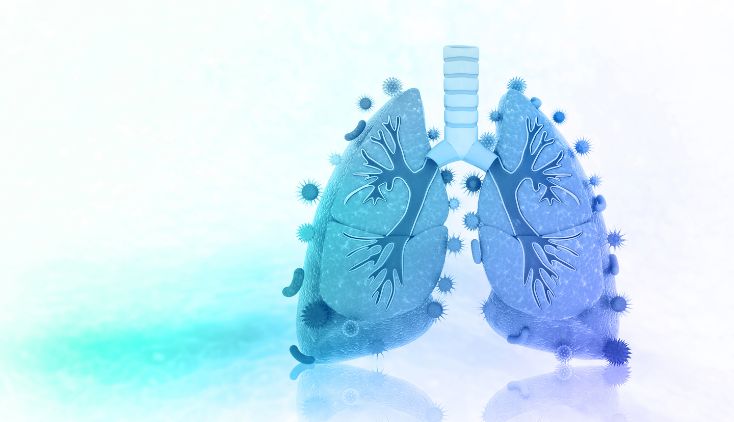
Listening to Your Lungs
In its early stages, non-small cell lung cancer (NSCLC) often produces subtle or overlooked symptoms. As a result, many people are diagnosed only after the disease has progressed. Understanding the warning signs of non-small cell lung cancer can make a big difference, because early detection improves treatment options and outcomes. Below are the most common symptoms, what they represent and how to recognize them.
1. Persistent Cough or a Change in Your Usual Cough
A chronic cough lasting more than eight weeks can be an early sign of NSCLC. Many people with lung cancer describe a cough that gradually worsens, becomes more frequent or changes in sound or feel. For people who already have a smoker’s cough or allergies, it may be difficult to notice the difference, but any new pattern—including a cough that does not go away, becomes deeper or raspier or happens more often at night—may indicate irritation from a tumor blocking or inflaming the airways.
2. Coughing Up Blood (Hemoptysis)
Even a small amount of blood in mucus can be a sign of lung cancer. Blood may appear as pink, red or rust-colored streaks in phlegm, and it occurs when tumors irritate or damage small blood vessels inside the airway. While infections can cause similar symptoms, any sudden appearance of blood in mucus should be taken seriously.
3. Shortness of Breath
Shortness of breath can develop when a tumor partially blocks an airway, fluid builds up around the lungs or lung tissue becomes less efficient at transferring oxygen. Many people notice they become breathless during routine activities that never used to affect them, such as walking uphill, climbing stairs or carrying groceries. Difficulty catching your breath after mild activity or experiencing wheezing or noisy breathing can signal that something is interfering with normal airflow.
4. Chest Pain or Discomfort
Chest pain in NSCLC often results from tumors pressing on nerves, the chest wall or nearby structures. The discomfort may feel dull, sharp or achy, and it often worsens with coughing, laughing or deep breathing. Pain may also radiate into the shoulders or back. Because chest pain is common and can stem from many causes, ongoing or gradually worsening discomfort should be evaluated.
5. Recurrent Respiratory Infections
Frequent episodes of bronchitis or pneumonia may occur when a tumor blocks airways, making it easier for bacteria to grow. A pattern of repeated infections in the same part of the lung or illnesses that take longer than usual to improve may indicate that something is obstructing airflow. When infections recur shortly after recovery, this can be a red flag for deeper structural issues.
6. Unexplained Weight Loss or Loss of Appetite
Weight loss without trying is one of the more subtle signs of cancer. Cancer can speed up the body’s metabolism, causing calories to burn faster, and may also reduce appetite. Losing more than 5% of your body weight in a six-month period without intention, or feeling full sooner than normal, may be a sign that the body is responding to underlying disease. These symptoms can appear early or later in the course of NSCLC.
7. Fatigue
Cancer-related fatigue is different from normal tiredness because it persists even with rest and can feel overwhelming. Tumors may cause fatigue by using up the body’s energy, affecting hormones or contributing to anemia. When tiredness becomes severe enough to limit daily activities or persists despite adequate sleep, it may indicate an underlying health issue.
8. Hoarseness or Voice Changes
If a tumor presses on the recurrent laryngeal nerve, which controls the vocal cords, it can cause lasting voice changes. A voice that becomes raspy, weak or noticeably deeper and does not improve over time should prompt medical evaluation. Persistent hoarseness is sometimes overlooked because it can resemble irritation from allergies or colds, but when it lingers, it may be a sign of NSCLC.
When to See a Doctor
You should seek medical evaluation if you experience any persistent or unexplained symptoms, especially if they last longer than a few weeks. This is particularly important for people with risk factors such as a smoking history, exposure to radon or asbestos or a family history of lung cancer.
Immediate medical attention is needed for symptoms such as coughing up blood, significant shortness of breath or chest pain that does not improve.
Early evaluation offers clarity and, when needed, allows for timely treatment that can significantly improve outcomes.